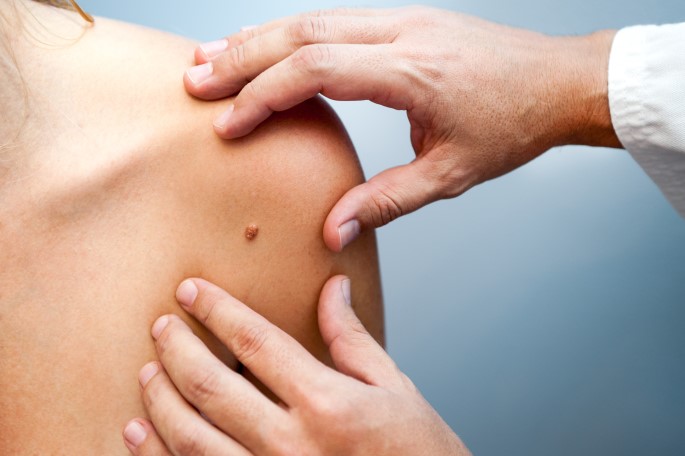
Your health is important. This is why it’s always a good idea to take a proactive approach to your health. Since moles can progress to skin cancer, be on the lookout for moles that look dangerous. Being proactive is especially critical if your family has a history of skin cancer linked to moles. Examining yourself for moles can lead to early detection and possible prevention of melanoma, which is the deadliest type of skin cancer.
Our dermatology team at Doctors Approach encourages patients of all ages to check their skin for new or changing moles or discolorations. Though they can be nothing, sometimes they can be the early stages of skin cancer. Contact Doctors Approach if you are concerned about a new or changing mole. We can help determine if it’s something more serious.
Avoiding excessive sunlight and wearing sunscreen are good safety measures. Examining yourself once a month is an additional safety measure that can help you detect new moles. Fortunately, most moles are benign (non-cancerous).
Moles, which may need attention of a doctor, may look different than existing moles. Pay special attention to areas of your body that are often exposed to the sun, such as your legs, arms, chest, face and head.
If you discover a new mole or notice change in an existing one, the following are signs that you could be a candidate for skin cancer:
- Asymmetry - Moles are common. However, if you find a mole that’s larger on one side than the other, consult your doctor.
- Border - Each mole’s border should be clear and well-defined. If a mole’s border is fuzzy or has an irregular shape, don’t hesitate to make an appointment with your doctor or dermatologist.
- Color - Harmless moles should, typically, be one color. If you find a mole that varies in color, or suddenly changes color, have it examined by your doctor.
- Difference - A monthly examination can help you detect if there’s any change in size, color, or shape of any moles.
Some moles may not raise suspicion because they look harmless. However, it’s best to err on the side of caution. Contact us as soon as possible at the first sign of a new mole or one that has changed its appearance. Your dermatologist may perform a skin biopsy. If there is skin cancer, the biopsy can reveal how deeply any cancer has penetrated the skin. This information helps a dermatologist decide on the best treatment.
One of the biggest benefits of self-screening is that it can help detect cancer on the prowl. Early detection can help improve a person’s chance of recovery if cancer is in progress. Your health matters. Life matters. Examining yourself for moles, monthly, can help prevent the worst from happening.