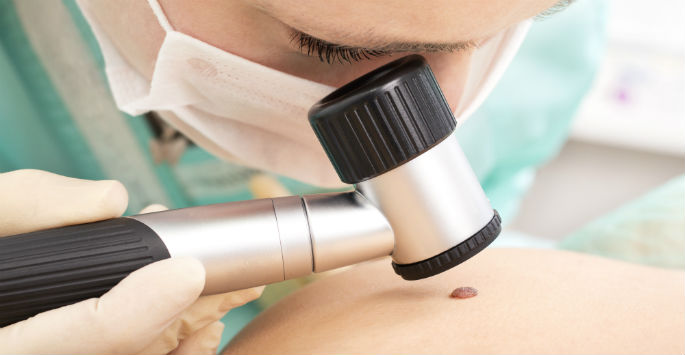
The presence of moles and warts on the skin is common, but at what point should you get a mole or wart looked at? Only a licensed dermatologist – like those on our team here at Doctors Approach - will be able to diagnose these skin issues, but there are some signs to look for when evaluating whether your moles and warts present a more dangerous health concern.
What are Moles?
Nearly everyone has moles, and usually they’re nothing to worry about. Many teens will develop multiple moles on their skin as they continue to grow. Sunlight exposure also can greatly increase the presence of moles, although many of them will usually fade as you age. Your moles may change in appearance and look much different from the moles you notice on other people.
When are Moles Dangerous?
If a mole becomes atypical, or abnormal, it can potentially pose a threat to your overall health. Atypical moles are different from other moles you may have had for a very long time. An abnormal mole can develop as part of another mole or as a completely new growth on your skin. In some instances, literally hundreds of fresh moles can suddenly appear on the skin, which is known as atypical-nevus syndrome. These irregular moles can put you at a greater risk for skin cancer, or melanoma.
How to Treat Atypical Moles
If your doctor shows concern regarding some of your moles, you may need to undergo an excisional biopsy, where the moles and the underlying skin beneath them are carefully removed and then sent to a lab for analysis. If the test results detect cancerous cells, a wide excision is usually performed. Your doctor will suggest that you continue to monitor your moles for any changes and regular assessments will be done in order to reduce additional risk.
What are Warts?
Warts are actually tiny tumors on the skin that developed from HPV (human papillomavirus), which is known to have more than 100 strains. Usually, warts grow on certain areas of the body such as the hands, knees, or elbows and appear as a thickened top layer of skin that looks like circular, hard bumps.
Different Types of Warts
- Regular Warts - Many people have regular warts that appear as thicker, rough skin with white or soft pink bumps on different areas of the body.
- Plantar Warts - Plantar warts are characterized by calloused, rough spots on the soles of the feet. Different from other warts, plantar warts can be quite painful and sore.
- Flat Warts - Flat warts are often found on a person’s shins, hands, or face and appear smooth but slightly raised. They typically develop in a line and are often caused by shaving or frequent scratching.
- Filiform Warts - These kinds of warts can occur near the facial area and look like long, narrow bits of thin thread.
When Warts Need Treatment
Generally, most warts will never need treatment and simply dissolve on their own. Treating warts does not always guarantee that they’ll disappear since the underlying virus that causes them isn’t actually addressed. Home remedies for warts include applying over-the-counter wart removers that contain salicylic acid in order to dissolve them. More severe cases of warts may require a dermatologist to ‘freeze’ them off using a special agent that destroys the wart both inside and out.
Most moles and warts are harmless or will go away on their own, but it is still important to monitor those that you think aren’t normal. Contact Doctors Approach if you notice any changes in color, shape, and size of any skin conditions. We’ll be able to diagnose and offer treatment depending on your needs.